
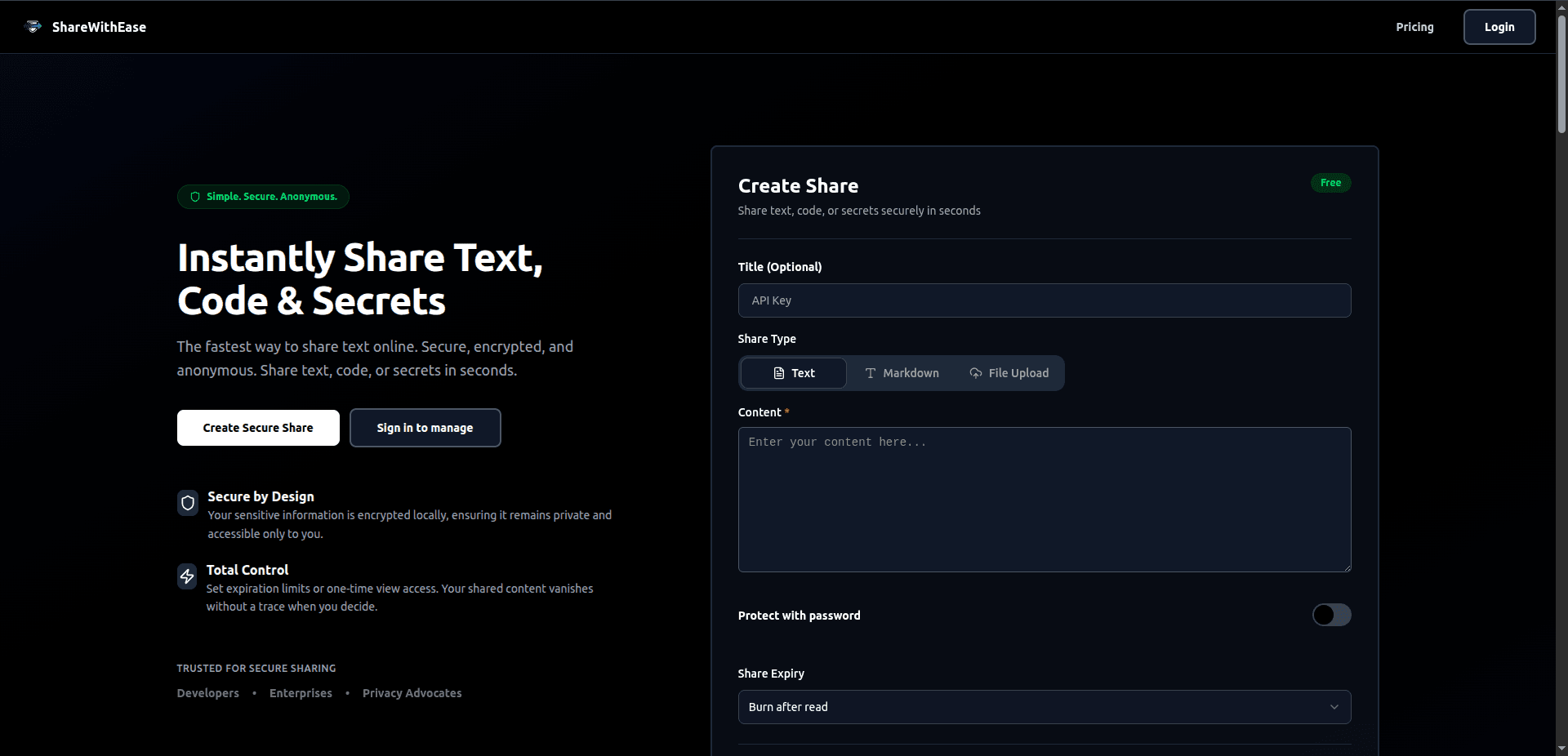
ShareWithEase
A focused sharing experience for sensitive information, with content, expiry, and access settings in one flow.
Read the project storyCustom software
Operational platforms and customer portals for workflows that no longer fit a collection of spreadsheets and off-the-shelf tools. We define the rules, permissions, and integrations with the people doing the work.
If any of this sounds familiar, custom software is probably the right call:
We start with who does the work, what they need to decide, and which systems already hold the data.

Project captures and the decisions behind them.
A focused sharing experience for sensitive information, with content, expiry, and access settings in one flow.
Read the project story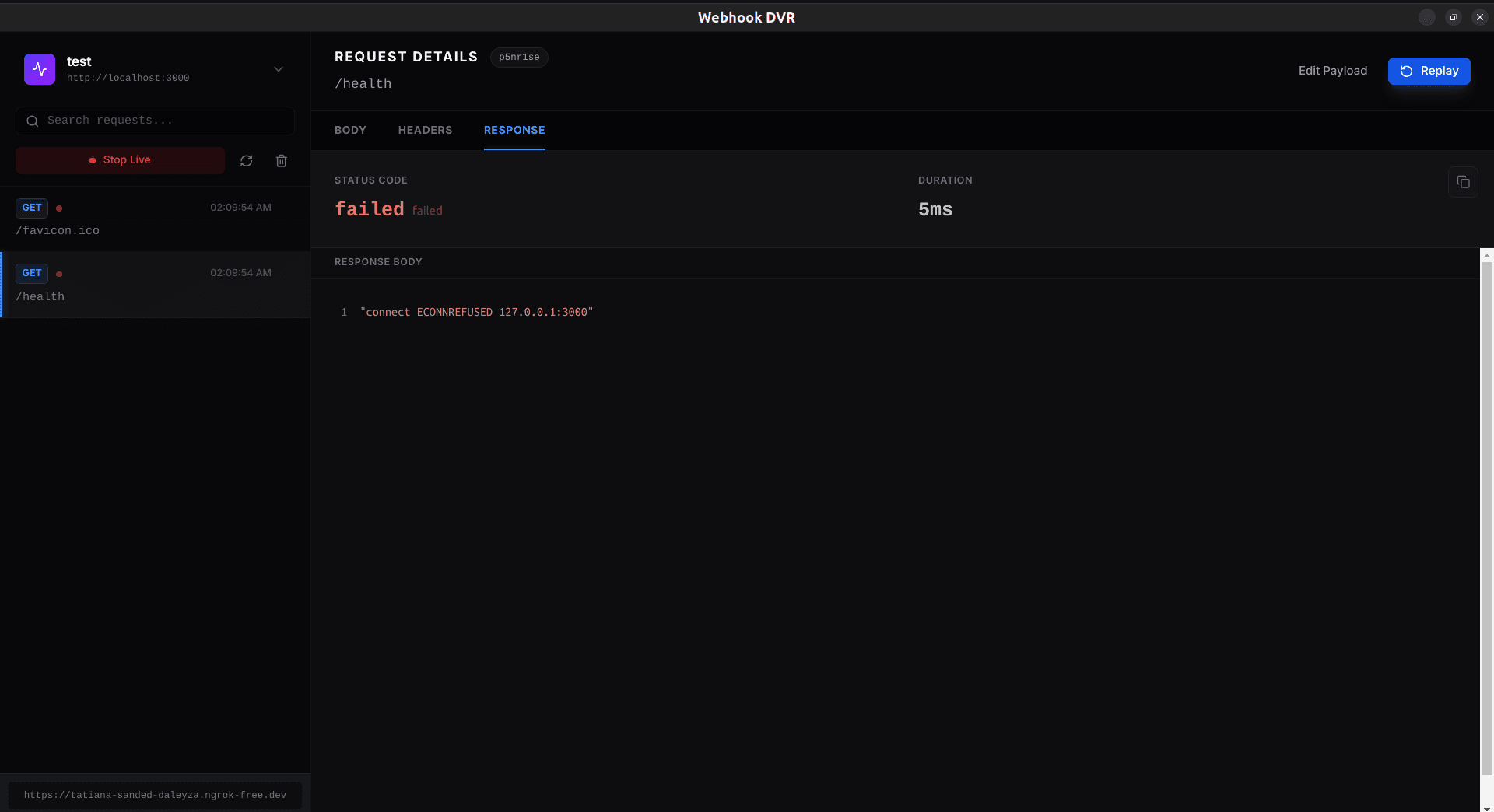
A development tool for recording webhook payloads and replaying them to a local target while working on an integration.
Read the project storyA reviewed plan for data, integrations, infrastructure, and system boundaries. Prototypes help resolve important unknowns before committing to the main build.
Development happens in short, demoable cycles so you see progress continuously instead of waiting months for a single reveal.
We agree repository ownership, infrastructure access, and asset handover in the engagement. Third-party services and open-source components retain their own terms.
System architecture docs, API references, and setup guides so any engineering team — yours or another vendor's — can pick up the codebase.
We deploy to your infrastructure of choice and walk your team through operating the system before we step away.
We map your current workflow, identify what the system needs to do (and explicitly what it doesn't), and produce a fixed scope and timeline.
Data models, system architecture, and UI/UX wireframes are designed and reviewed with your team before development starts.
Development happens in focused sprints with regular demos, so you can course-correct early rather than at the end.
Functional, integration, and security testing to make sure the system holds up under real usage, not just the happy path.
We ship to production, transfer full code ownership, and document everything your team needs to operate and extend it independently.
Your requirements, existing systems, and future team shape our technical choices.
Node.js / Python / Go / Ruby
Ruby on Rails / Express.js / Laravel / Django / FastAPI
PostgreSQL / MySQL / MongoDB / Redis
React / Next.js / TypeScript / Redux
AWS / GCP / Docker / Terraform
REST & GraphQL APIs / gRPC / tRPC / WebSockets
Webhooks / Third-party SDKs / Postman / Playwright
It depends entirely on scope. A focused internal tool might take 4-8 weeks; a full operational platform can take several months. We give you a concrete timeline after discovery, not a vague estimate.
Ownership and handover are defined in the agreement. We provide access to the agreed source code, infrastructure configuration, and documentation, and identify any third-party licenses or subscriptions.
We scope in defined phases specifically so this is manageable. Small adjustments are absorbed within a phase; larger changes are scoped as a follow-on phase with clear cost and timeline impact, rather than derailing the whole project.
Yes. We regularly audit existing codebases, assess what's salvageable, and either continue development or advise a rebuild if that's genuinely the better path.
Yes, on request — bug fixes, dependency upgrades, and general upkeep can be scoped as a separate, optional engagement. You're never locked into a retainer to keep your own software running.
Let’s make it work
Bring the idea, the current product, or the challenge. We’ll help define the next step and the right delivery approach.
Start a projectStart with your business problem
Agree the scope before the build
Own your code and infrastructure